Showing posts with label au sable institute. Show all posts

Monday, May 20, 2013

Orchid Hunting on Fidalgo and Whidbey Islands and in Larrabee State Park


I've made a number of trips recently to different sites on Whidbey and Fidalgo Islands and to Larrabee State Park on the mainland.  Fidalgo and Whidbey Islands lie close to the mainland and are accessible by car, unlike many of the other San Juan Islands.  State Highway 20 runs west across Fidalgo Island and then south across the Deception Pass bridge and down the length of Whidbey Island.  Larrabee State Park is south of Bellingham in the Chuckanut Mountains.  All these places are excellent locations for native orchids and for other wildflowers and I found plenty of both. 

The native orchids I found were:

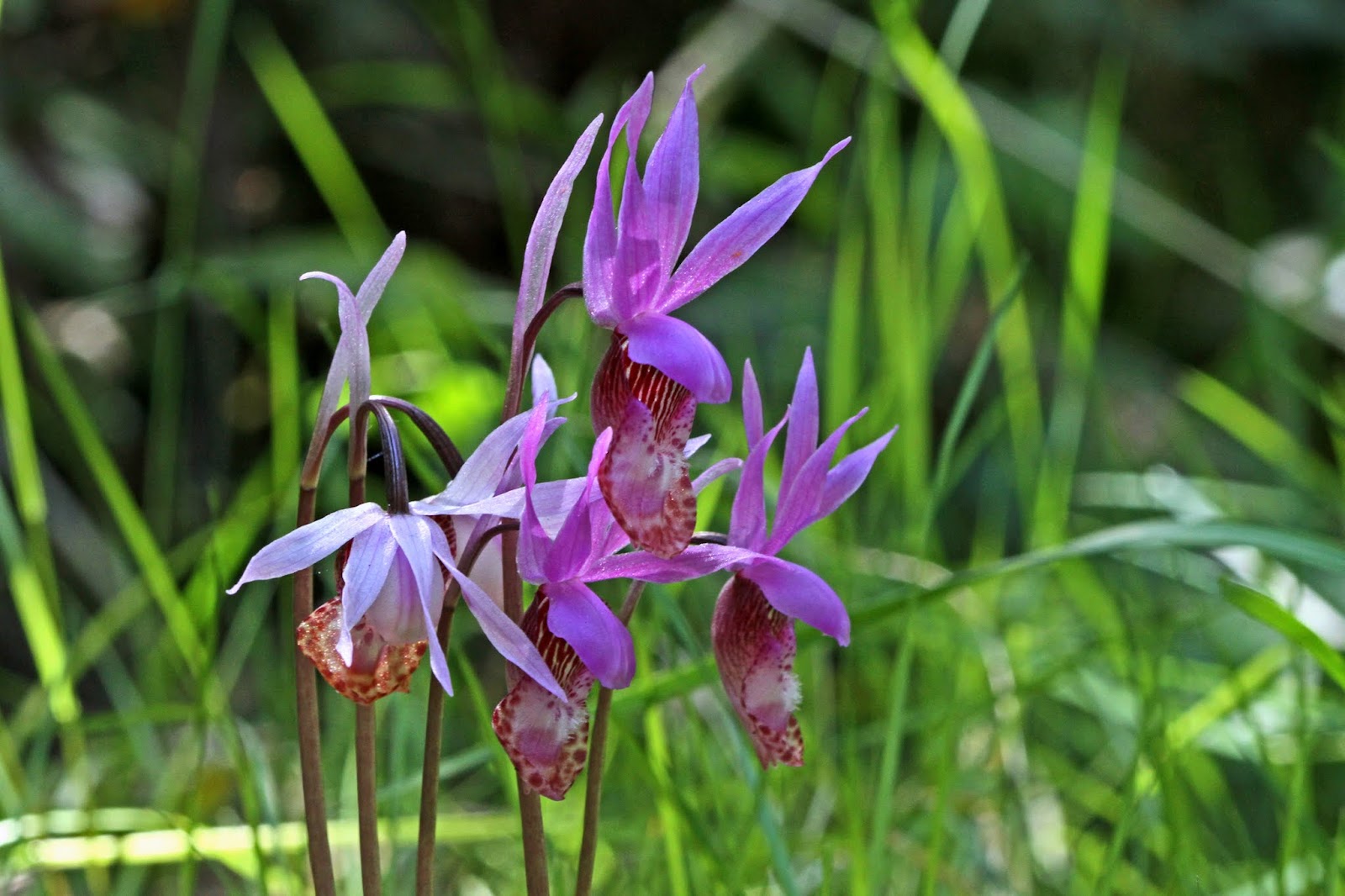
Western Fairy Slippers
(including both pale forms and the all-white form)


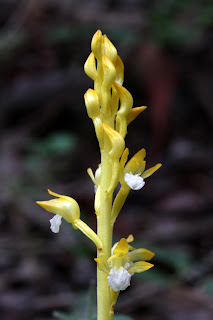
Western Spotted Coralroots
(including the unspotted form)


Western Coralroots
(a very dark form just beginning to bloom)


Striped Coralroots
(the most beautiful of the Coralroots in our area)


Other wildflowers were:

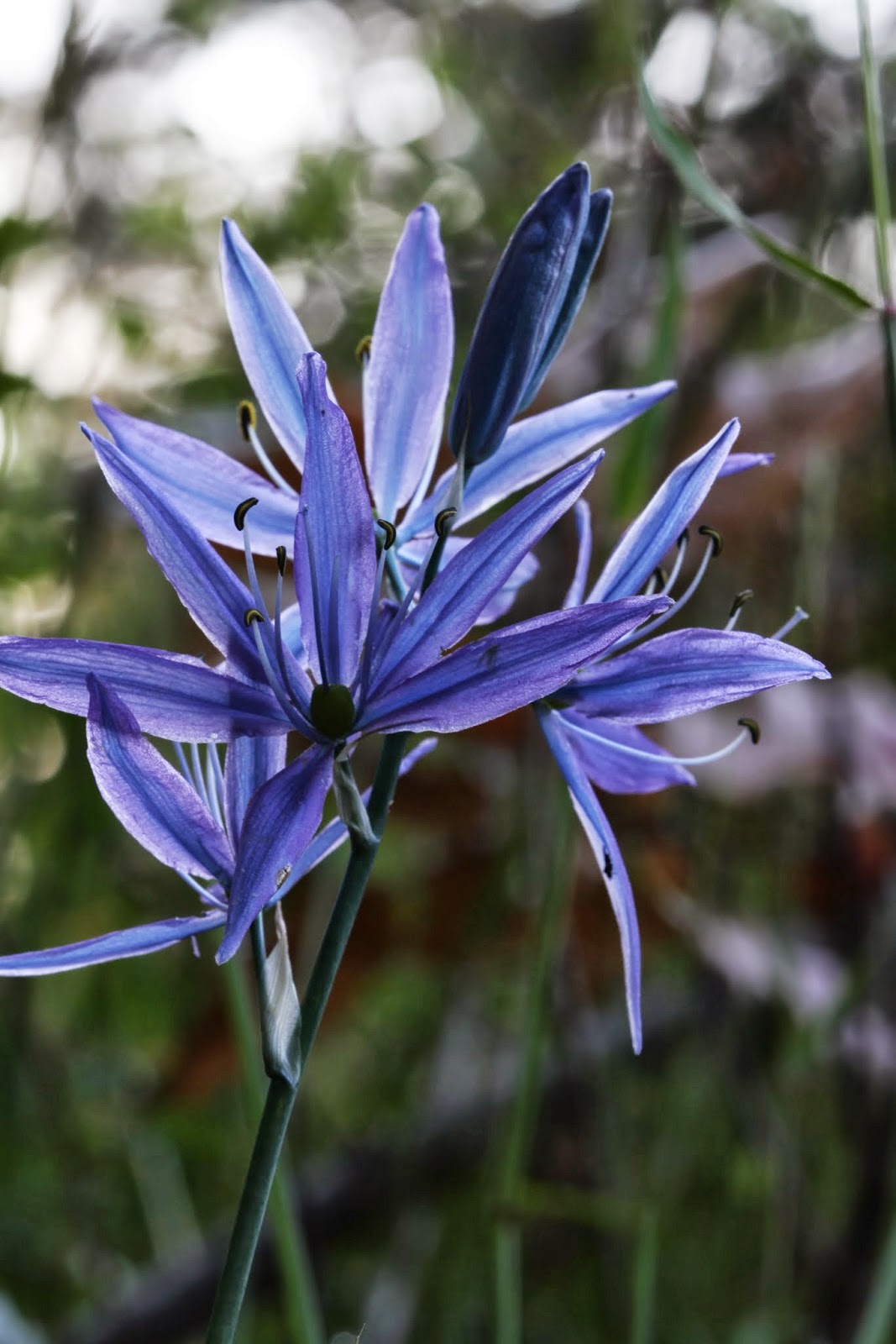
Common Camas


Checker Lily


Spring Gold

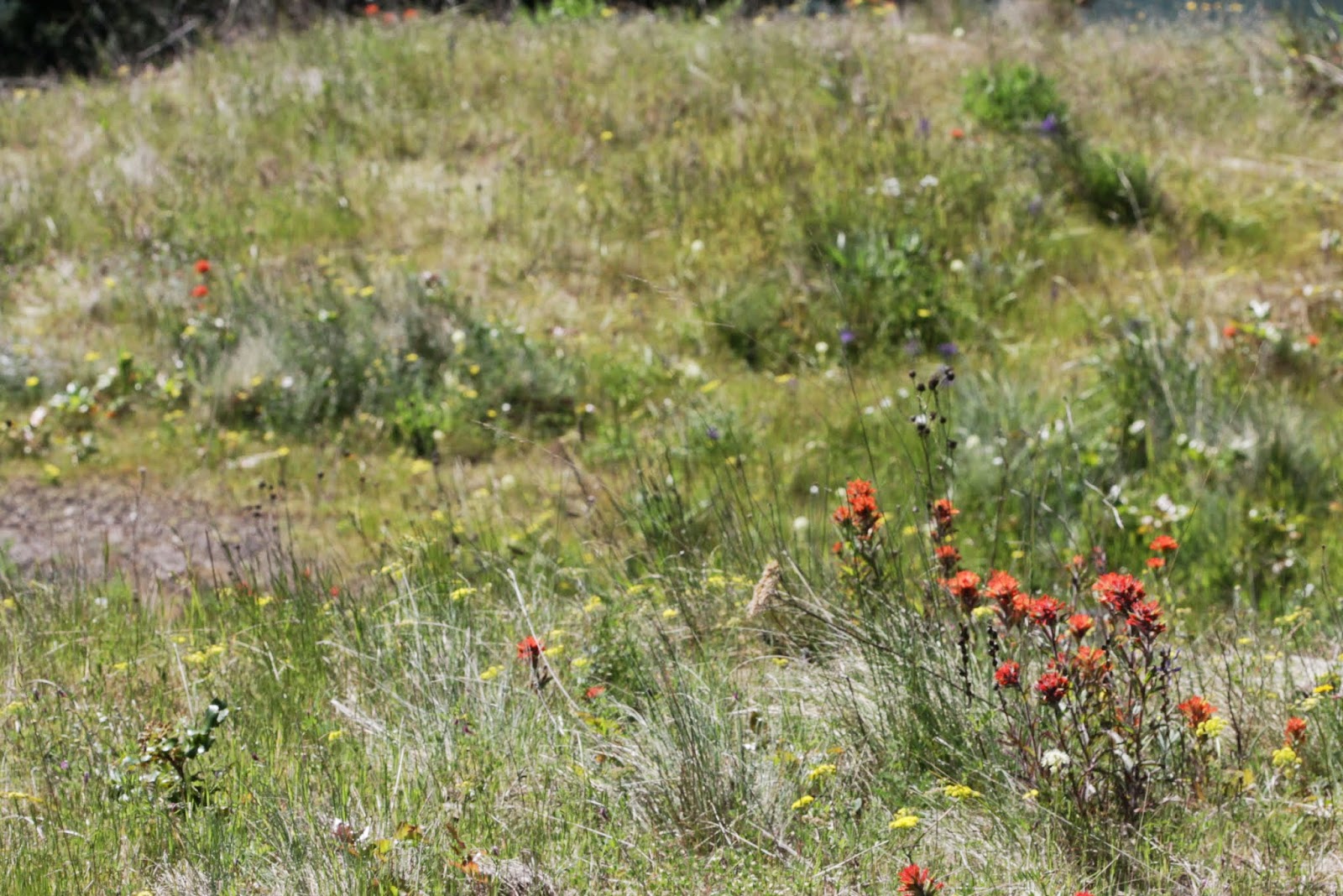
Harsh Paintbrush

Naked Broomrape

White-top Clover

Leafy Mitrewort

Creeping Buttercup

 Menzies Larkspur


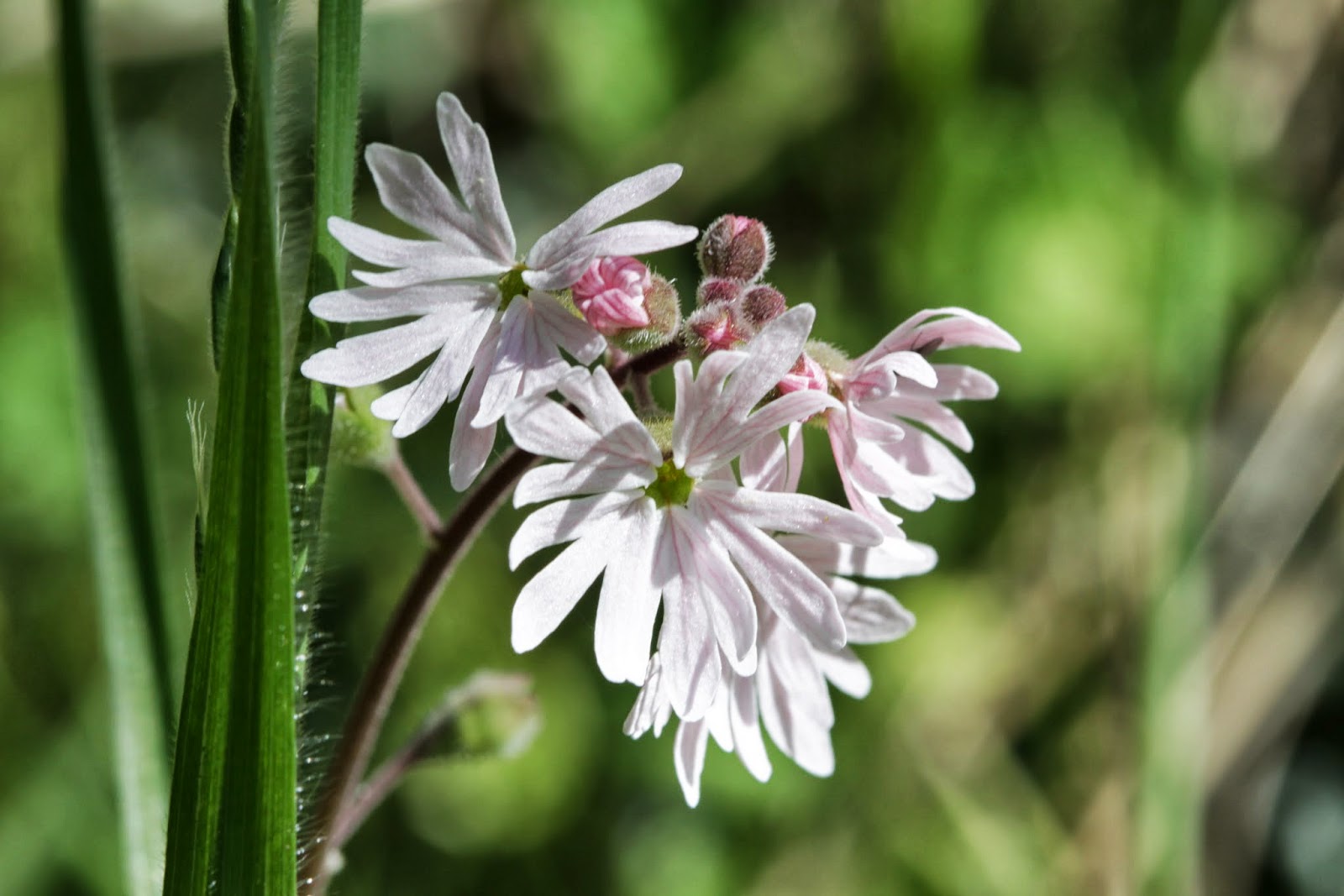
 Prairie Star
Skunk Cabbage

And, as is always the case, there were plenty of other things to photograph:

The Olympics, Whidbey Island and the Straits of San Juan from Goose Rock

Pileated Woodpecker photographed in Washington Park


Wildflower Meadows at Goose Rock


Madrone Trees in Bloom in Washington Park

Even a Waterdrop

Deception Pass Bridge

Friday, July 6, 2012

Another Trip to Whidbey Island


We had gone to several sites on Whidbey Island to see the native orchids on May 27th.  At that time we found Western Spotted Coralroots and Heart-leaved Twayblades blooming at the Au Sable Institute near Coupeville and more Western Spotted Coralroots blooming at Goose Rock near Deception Pass on the north end of the island.  We also found the Ozette Coralroots and Western Coralroots in spike but several weeks from blooming.  We went this time to see them and found both of them in bloom, though the Ozette Coralrrots were just starting.

Ozette Coralroots


The weather this visit was the opposite of what it had been on the first visit.  Then it was sunny and warm.  This time is was cool and rainy.  We did not let the rain affect our enthusiasm, however, and not only looked for the orchids, but, as is our habit, we wandered around looking for other things to admire and photograph and came back with plenty of pictures.  In the woods at the Au Sable Institute we found not only the Ozette Coralroots but also the Spotted Coralroots in bloom.  This is the more common later-blooming variety distinguished also by lip and flower shape.

Spotted Coralroots


Spider!

Wandering along the paths in the woods we found everything wet and my wife took photos of a beautiful Red-banded Polypore whose colors were enhanced by the rain.  We also found several old Indian graves, which were obviously tended and visited, though the individuals had been dead for many years.  They were the graves of an Indian Chief, his wife, and of someone else named Crow Feather.  The former two graves were inside a small fence and the third outside it with no discernible connection to the others, though it was better kept than the other two graves.

Red-banded Polypore


Finished at the Au Sable Institute we drove back north to Deception Pass State Park and to the eastern end of the park near Cornet Bay where we hiked some of the trails at Hoypus Hill.  We were looking for the Western Coralroot, very different from the Western Spotted and found it in full bloom in several different color varieties.  We had seen the spikes of Candycanes, another saprophyte, on our first trip but this time someone or something had destroyed them all.

Western Coralroots


Along the way we also photographed a large slug (they were everywhere because of the wet conditions), the Orange Honeysuckle which was blooming not far from the waterside, and tried to get some pictures of the beautiful old second-growth forest in which we were hiking.  My wife's pictures of the forest and trails were better than mine, as is often the case.  The weather, which had been reasonably dry began to threaten again and we arrived back at the car just as the rain started.

Orange Honeysuckle

Wild Roses


Thimbleberry

Stinging Nettle

Banana Slug