
For lack of anything else to publish, I thought I would post some pictures of the different saprophytic plants we've encountered in our rambles. Actually, these are not considered saprophytic anymore and even the term is obsolete. They are instead now referred to as mycotrophic.
The older term, "saprophytic," meant that these plants fed off decaying plant material in the soil. While that is not entirely untrue, the fact is that they get their nutrients through a symbiotic (mutual) relationship with a soil fungus named mycrorrhiza and not directly from the soil.
In ordinary terms, these plants are usually leafless and without chlorophyll. In our area they include a number of orchids, the Coralroots, of which Washington has five, as well as various other odd and unusual plants, the Vancouver Groundcones, Pinedrops and Candysticks.
The Coralroots are a group of orchids usually found in heavily forested and rather shady and dry areas. Several of them have quite insignificant flowers, but some of them are very beautiful. A couple are quite rare but some are very common and can easily be found.
Ozette and Spotted Coralroots


Western Coralroot

Striped Coralroot

Early Coralroot

The only other mycotrophic orchid in the state of Washington is the most beautiful of them all, the Phantom Orchid, Cephalanthera austiniae, named for its bone white color and for the fact that it appears phantom-like on dark forest floors where nothing else seems to be growing.

Other mycotrophs, though not orchids, have a bizarre beauty of their own. Most, like the Indian Pipes and Vancouver Groundcones, are smaller plants, but some like the pine drops can grow to several feet. Finding them is always an unexpected delight.
Indian Pipes

Vancouver Groundcones


Pinesap

Candystick
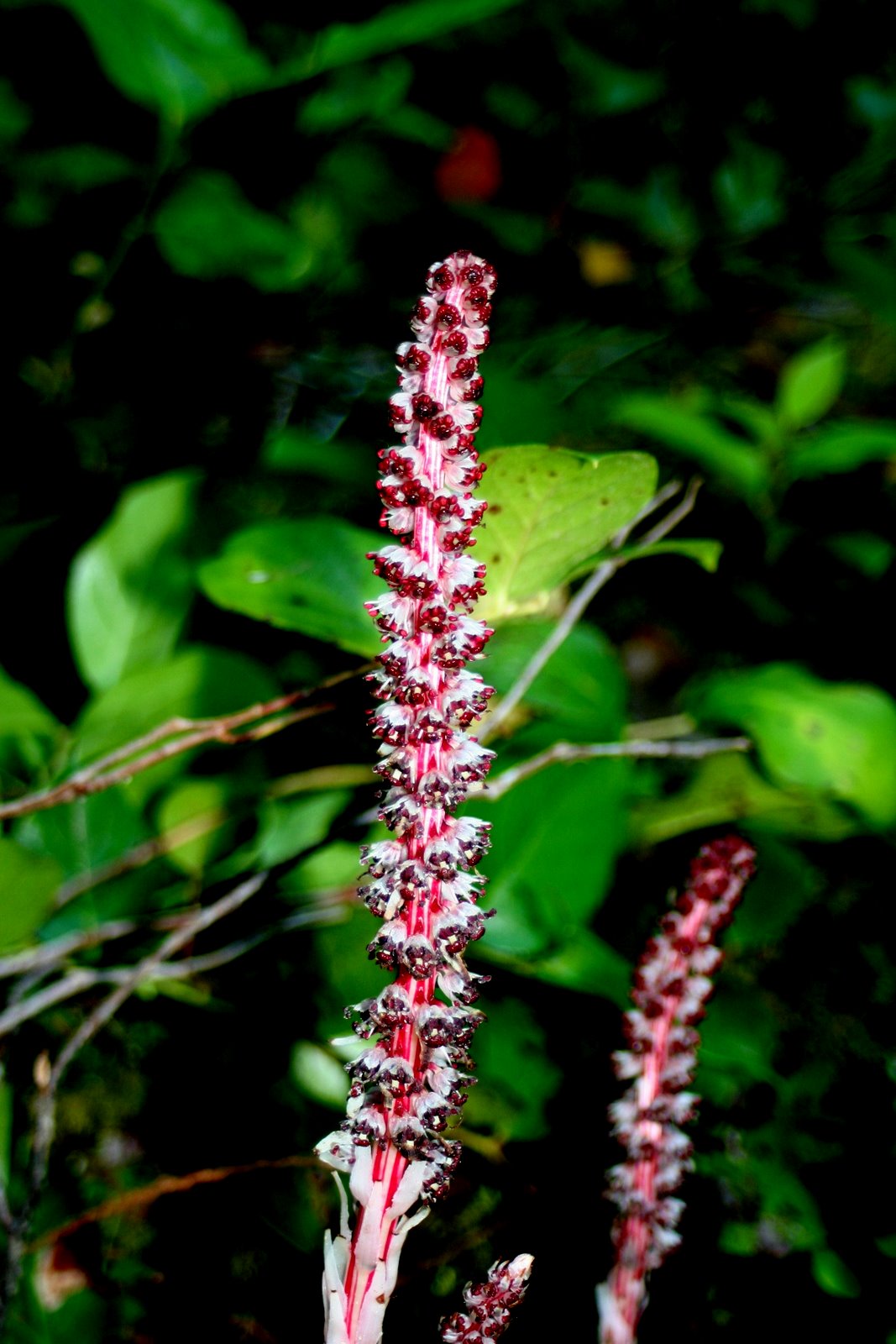
Pinedrops
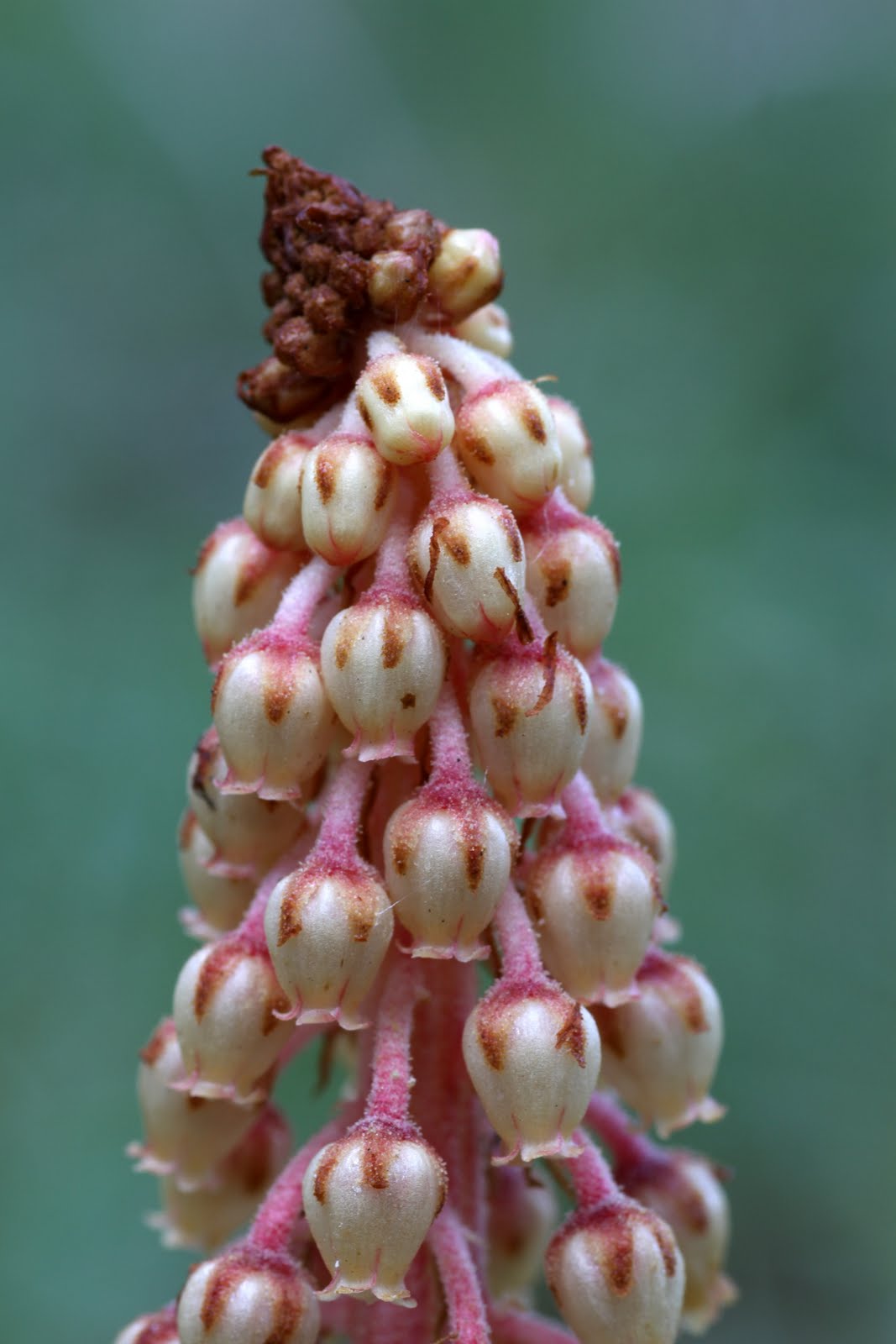

Gnome Plan


